Why Predictive Crawl Optimization Transforms SEO
Google's crawl systems are trained to acknowledge link speed signals. Suddenly pinging hundreds of pages at as soon as looks various from the natural method links build up over time.
This isn't simply about avoiding charges it truly enhances indexing rates due to the fact that the crawl signals are distributed in a pattern that looks trustworthy. Every submission comes with a per-URL report after 7 days so you can see precisely which connects indexed and which didn't and then triage the ones that need follow-up.
No genuine service can promise this some links will never index regardless of what you do, and a tool claiming otherwise is either lying or using aggressive techniques that bring risk. Some methods that worked five years ago now either do absolutely nothing or actively trigger problems. It deserves being direct about them.
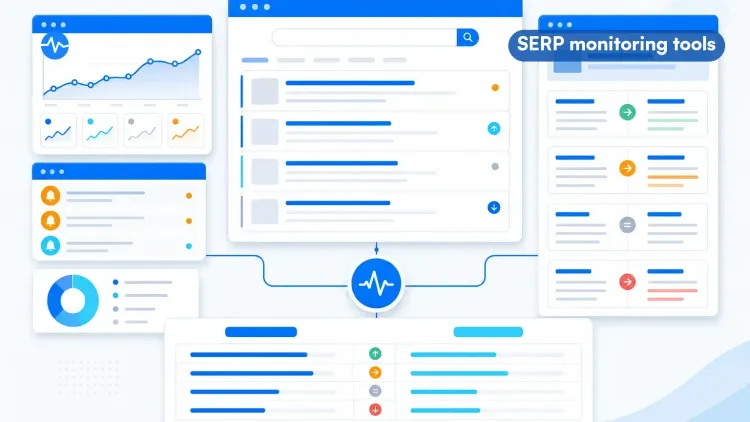
Effective SERP Monitoring Systems to Scale
Today, Google has actually mainly cheapened signals from those aggregators, and sending the very same URL to hundreds of them at when creates exactly the kind of unnatural pattern that triggers analysis. Sitemaps aid Google find pages you manage.
If a URL isn't indexing after a GSC demand, the issue is with the page, not with the number of requests. Sharing your link on 50 Facebook groups and 30 Twitter accounts in one day.
A single well-placed share on a relevant subreddit with real neighborhood engagement is worth more than 50 spam posts. If your tier-2 links are on Weebly pages that have no content and no traffic, they're not producing any crawl signals.
Deploying User Intent MethodologiesThe backlink still isn't indexed. Here's how to detect what's in fact failing. Inspect website: [] in Google. If nothing comes back, the page your link resides on isn't indexed. No method for indexing your backlink will work till this is dealt with. The publisher requires to repair whatever is preventing their own page from indexing.
Some CMS configurations include noindex to categories, tags, or brand-new posts by default. It's more common than you 'd believe, and it's an instant description for a link that will never ever index. If your link appears inside a React or Vue element that needs JavaScript to render, Googlebot might not see it at all.
How Predictive Crawl Logic Transforms SEO
JS-rendered links require a second-pass rendering step that does not always happen for lower-priority pages. If Google returns zero outcomes for a domain that clearly has material, the domain may have a manual action or be partly deindexed. Hyperlinks on penalised domains won't help you even if they in some way index.
In this case, the only real fix is to ask the publisher to improve the material significantly add depth, include context, make it truly beneficial. Often, after going through this checklist, the sincere response is that the link isn't going to index. Accept it, proceed, and do not squander more time trying to force it.
Deploying User Intent MethodologiesHere's the honest response, with genuine varieties rather than unclear "it depends" non-answers. A couple of observations from this information: GSC and a quality indexing service are the only techniques that dependably get links indexed within the first week. Whatever else includes waiting in some cases a very long time. Niche modifies on developed pages consistently exceed new guest posts for indexing speed.
Some index in two weeks. If you're managing link building projects for multiple clients, indexing needs to be a basic step in your process not an afterthought you handle when a client asks why rankings aren't moving.
Do not wait longer the quicker you capture unindexed links, the more time you need to act. Indexed and not indexed. That's it. Do not overthink the categories at this phase simply separate what's working from what isn't. Use the decision matrix previously in this guide. Hyperlinks on websites you control go through GSC.