Mastering Predictive Search Analytics for Higher Rankings
When you experience combined intent in your keyword research study or in the SERPs, it's handy to produce content that can serve several needs. You can: Respond to the crucial educational concerns Consist of comparisons and benefits and drawbacks Guide users towards relevant service or products Utilize clear, valuable headings so users can scan easily Add strong internal links to direct people to much deeper resources or item pages Blended intent is a sign that users are checking out, discovering, and examining their alternatives.
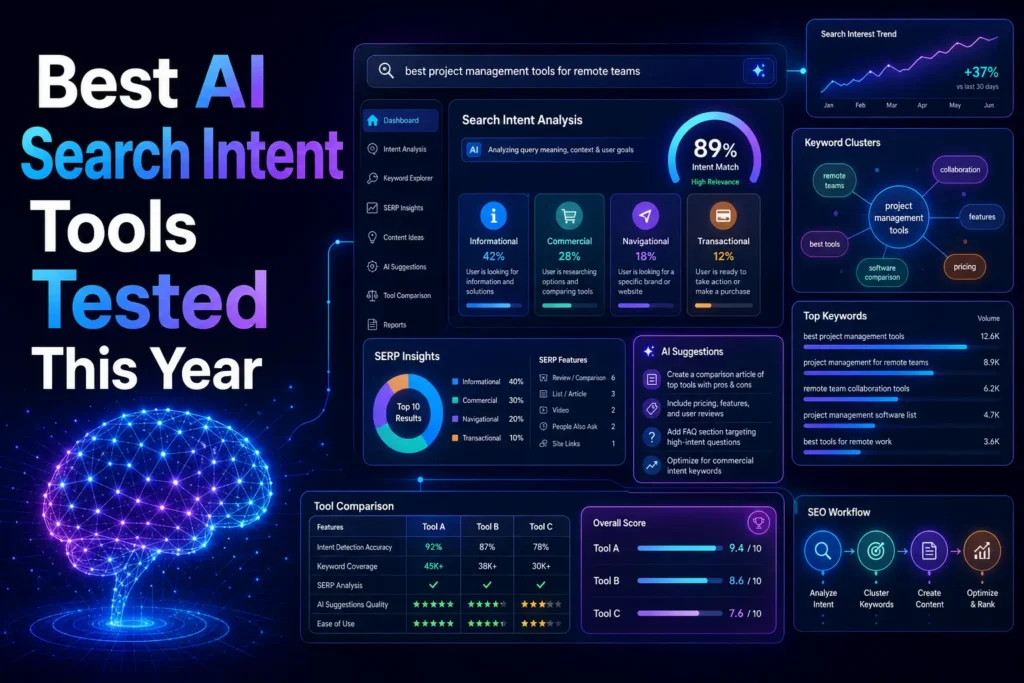
This often leads to better engagement and improves your chances of ranking across different variations of the keyword. Google's Browse Quality Critic Guidelines group the intents into four categories that overlap with SEO's four types: discover something carry out an action or purchase go to a particular site find a physical area or service This is how it aligns nicely with the SEO design: Informative (understand)Find out about a subject or answer a questionGuides, tutorials, article, Frequently asked questions'How to bake muffins', 'What is blockchain'Navigational (Site)Reach a particular site or pageHomepage, login page, branded content'Facebook login', 'Yoast SEO', 'Amazon homepage'Commercial (know/do)Research study before making a purchaseReviews, comparisons, purchasing guides'Best video cameras 2025', 'iPhone vs Samsung compariso n'Transactional (do)Complete an action like buying or signing upProduct pages, landing pages, checkout streams'Purchase running shoes', 'Netflix discount' Now that you understand the different types of search intent, the next step is to identify what your own audience anticipates from you.
It has to do with paying attention to what individuals look for, how they act on your website, and what the search results page expose about their requirements. A practical place to begin is by asking a simple question: What does somebody want to attain when they type this keyword? In some cases the response is apparent, however many queries fall someplace in the middle.
That is why audience research matters. Simply keep it friendly and non-intrusive so you do not disrupt their experience.
Can Search Intent Clustering Revolutionize Your SEO?
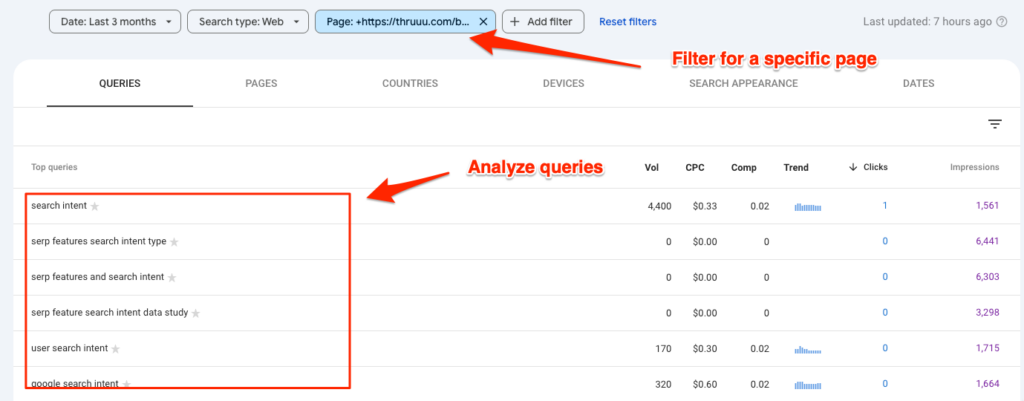
Google's results page is among the clearest sources of details you have. If the page includes guides and how-to articles, the intent is usually educational; if you see reviews and contrasts, that recommends commercial examination; and if item pages dominate, that is a strong signal of transactional intent. Frequently evaluating SERPs helps you understand what users expect and how Google interprets the keyword.
When you enter a keyphrase, Yoast can pull related keywords from Semrush and label them with the intent that Semrush has actually recognized. This supplies a quick photo of how people search and what they are likely attempting to achieve. The color-coded labels help you understand at a look whether a keyword is informational, navigational, commercial, or transactional.
If your target phrase shows a mix of commercial and informative variations, that may signal a chance for a buying guide or contrast post. If related keyphrases lean greatly toward transactional searches, you understand your audience is more detailed to deciding and requires a clear, valuable item page. You can click through variations, check out originalities, and check how competitors are dealing with the very same topics.
Once you comprehend what users want, you can craft material that feels natural, handy, and lined up with their needs and intentions. Yoast SEO Premium has a that assists you take your material to the next level! As you discover more about your audience's intent, it likewise helps to identify how their search behavior is changing.
With AI tools like ChatGPT, Gemini, Perplexity, and Google's AI Overviews, users now phrase their needs as longer, more natural prompts that often integrate multiple intents at as soon as. What used to be a series of separate searches can now become a single demand, such as: 'Compare three affordable smartphones and recommend the best one for students' (industrial + transactional intent) 'Note the very best SEO plugins for WordPress and their advantages and disadvantages' (commercial + informative intent) This shift is sometimes described as timely intent.