Optimizing Crawl Budgets in 2026
To comprehend why search engines can acknowledge intent so efficiently today, it is handy to analyze a principle called semantics. Semantics is merely the research study of significance. In search, it indicates understanding what a query actually means, not just which words appear in it. How do online search engine use semantics to understand intent? Online search engine can not think a user's intent unless they first understand the meaning behind the question.
Semantics permits search engines to identify things like: Various words with the same significance, such as 'budget plan smart device' and 'inexpensive phone' The right meaning of terms with numerous analyses, such as 'Java' (coffee, island, or programming language) The relationship in between entities, such as brands, people, and ideas Variations in phrasing, like 'how to repair a dripping tap' and 'leaking faucet repair work' In other words, semantic understanding helps Google move beyond exact keyword matching.
Tools for Advanced Competitive SEO Research
This is likewise where modern-day AI models come in. The AI designs evaluate context across entire sentences, not simply isolated words. Semantics help them understand how different words connect, what users are likely searching for, and how intent might shift within a search journey. In other words, semantics describes the language, and intent describes the goal.
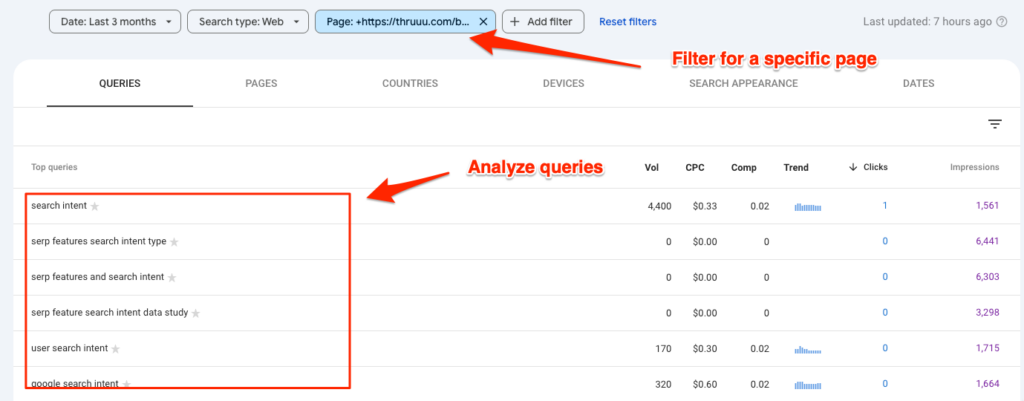
If your website runs on WordPress, Yoast SEO can help by creating an file that guides AI tools to your key content. This boosts how AI understands your site, lowers incorrect references, and fosters a consistent AI brand name understanding without needing any extra work on your part. Understanding search intent becomes a lot easier when you look at how individuals search online and what Google anticipates to deliver.
Google, however, categorizes intent a little differently in its Search Quality Critic Guidelines understand, do, website, and visit-in-person. Both designs describe the same user behaviour, simply from various angles. Here are the 4 common kinds of search intent you will see in SEO. Google's search results page for the term [what is yoast] Individuals search with informational intent when they wish to discover something.
How to Index Quality Backlinks Fast in 2026
They may be asking a direct question, attempting to comprehend an idea, or just browsing to find out more about a topic. Examples include: How to repair a leaking tap What is SEO London weather condition Stephen king biography Google is very excellent at comprehending what people in fact desire to see for these searches.
If somebody searches for 'Mercury', Google generally focuses on outcomes about the planet, not the chemical element. Develop clear and complete material that answers the concern straight.
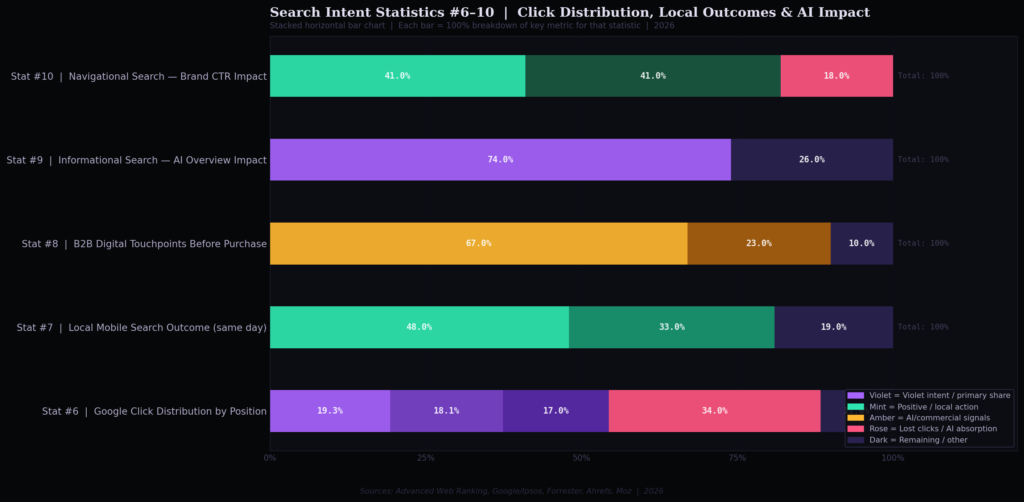
Users already understand where they want to end up, and they use Google as a faster way instead of typing the full URL. Examples include: These queries typically include brand name names or item names. If your audience is browsing for your business, you want to ensure your site appears promptly and accurately.
Individuals searching for 'Google Analytics' were attempting to reach Google's site, not our plugin. Ranking for navigational queries just works when users are in fact looking for you.
Users are investigating choices and comparing products or services. They are interested, but not yet prepared to devote. These searches usually consist of words like 'best', 'leading', 'evaluation', 'compare', or 'options'. Examples include: 'Finest coffee maker' 'Canon 6D evaluation' 'Samsung Galaxy price' 'Alternatives to Adobe Photoshop' 'Finest WordPress SEO plugin' These questions reveal strong interest however not yet final intent.
technical SEO practicesUsing Predictive Search Intelligence for Better ROI
Compose useful contrast guides, reviews, 'best of' lists, and item roundups. Focus on responding to the questions individuals ask when they are still weighing their alternatives. If you offer something, this is your opportunity to construct trust before they make their final choice. Google's search results for the term [buy iphone 17 pro] Transactional intent appears when someone is prepared to take action.
These searches are the closest to conversion and often contain words like 'purchase', 'order', 'subscribe', 'download', or the specific product name. Examples include: 'Buy Apple iPhone' 'Netflix discount' 'Mangools membership' 'Low-cost laptops for sale' These users currently understand what they desire. They expect to land on the precise product page and complete the action without unnecessary actions.
Make the course from search to conversion fast and smooth. Google's search results page for the term [running shoes for newbies] Not every search fits neatly into one intent category. Some keywords exhibit a blend of two or more intents, and these are referred to as combined intent questions. They are common due to the fact that genuine users do not always follow a best sequence.